TRIDENT: TRIPLE-POWERED TRIUMPH LEGEND
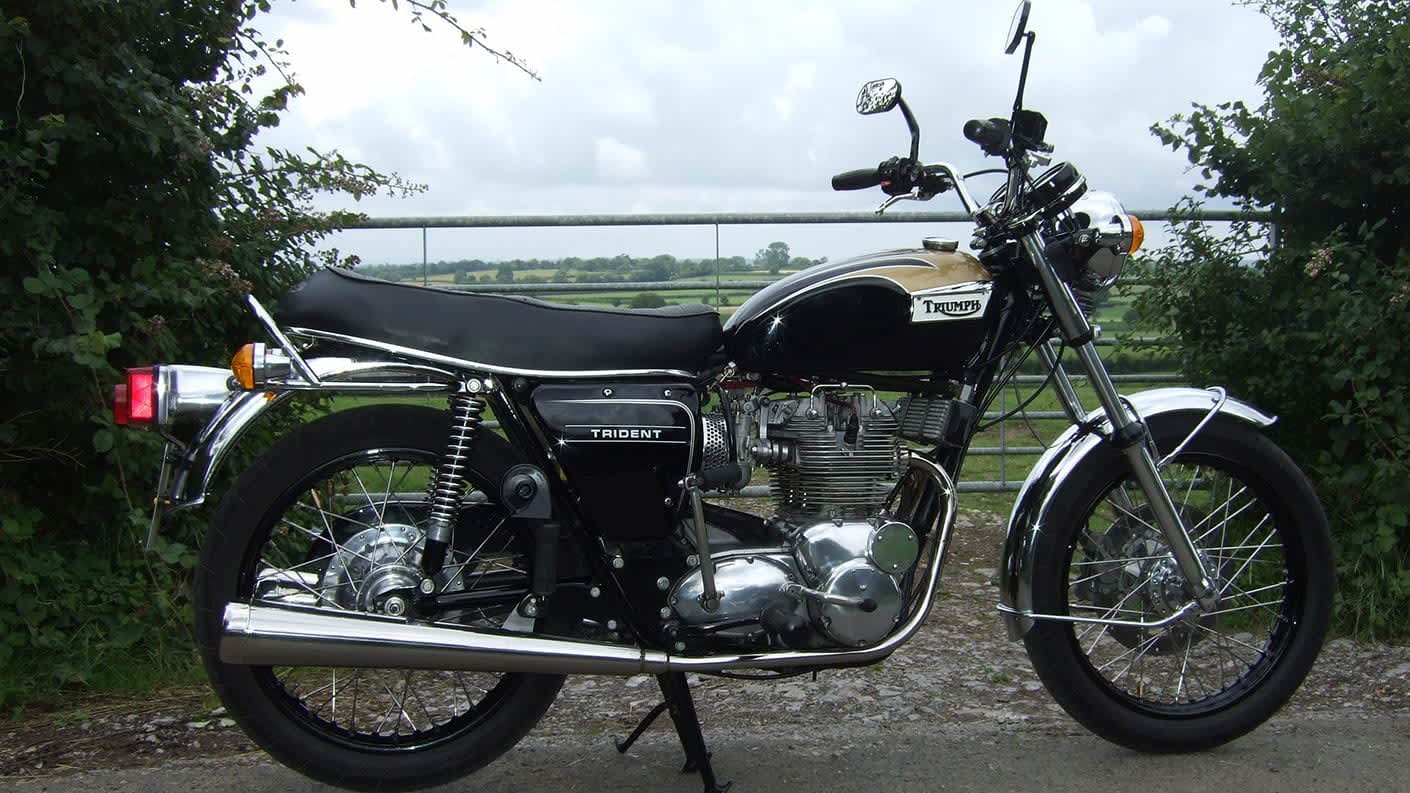
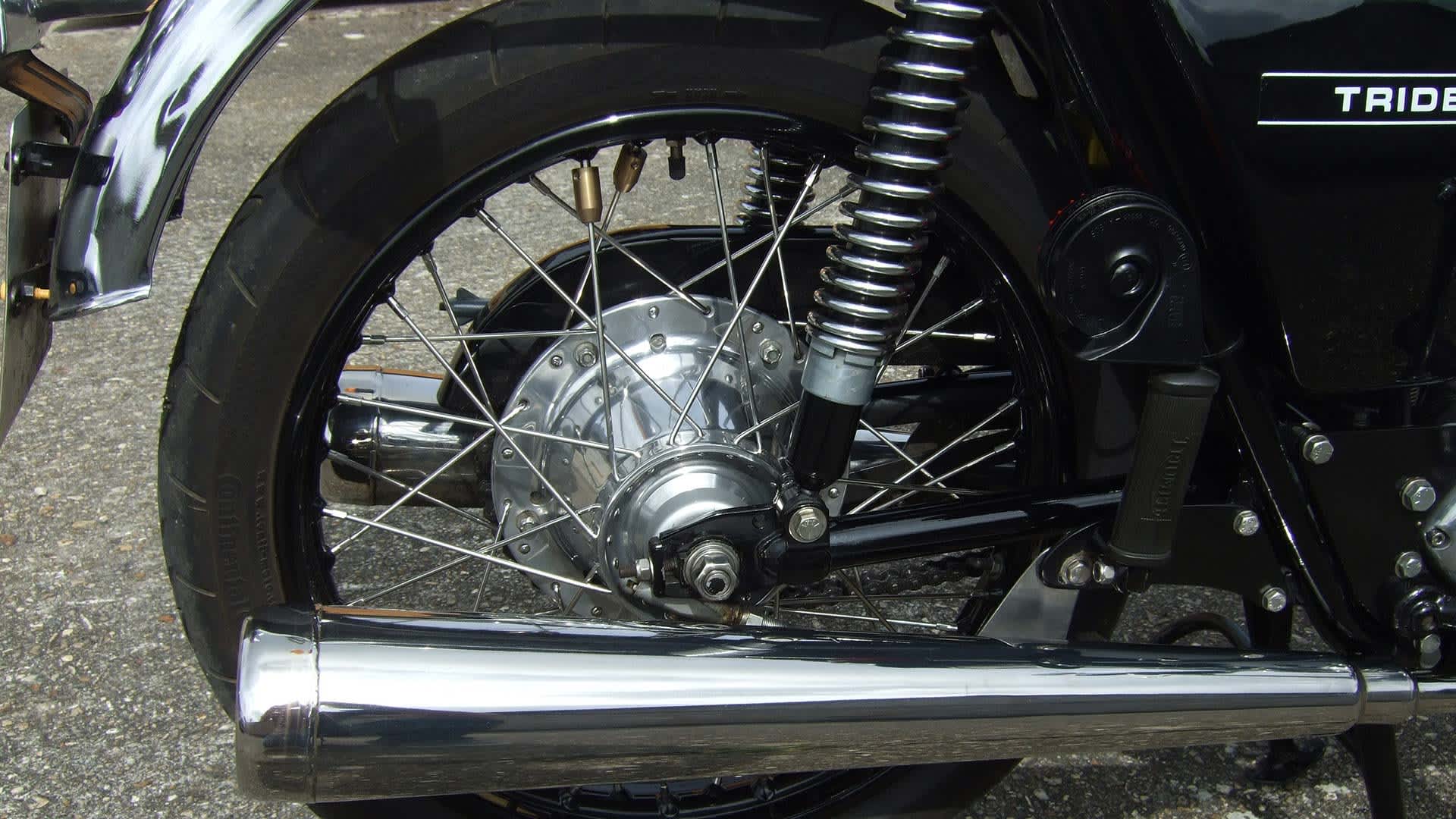
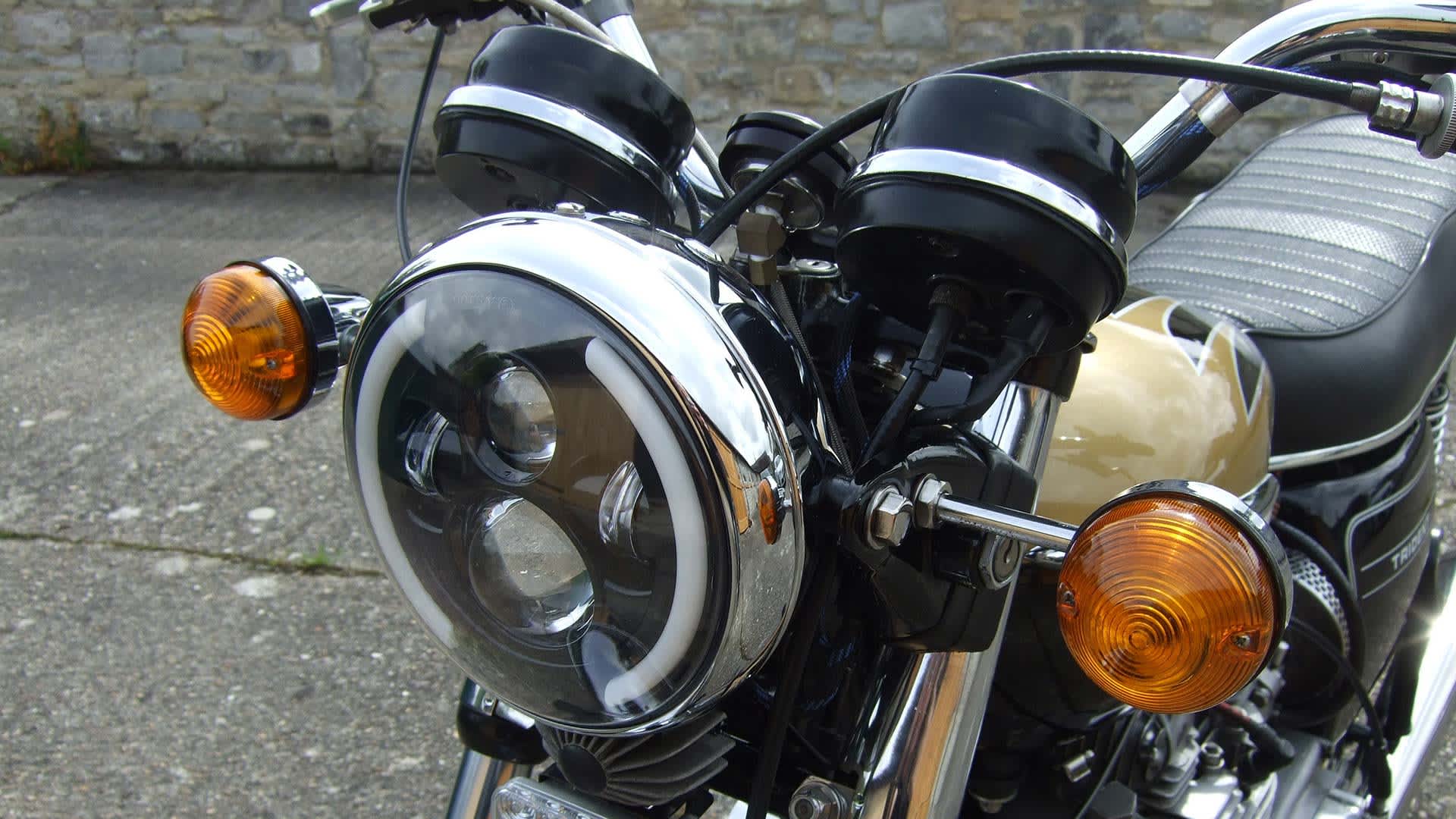
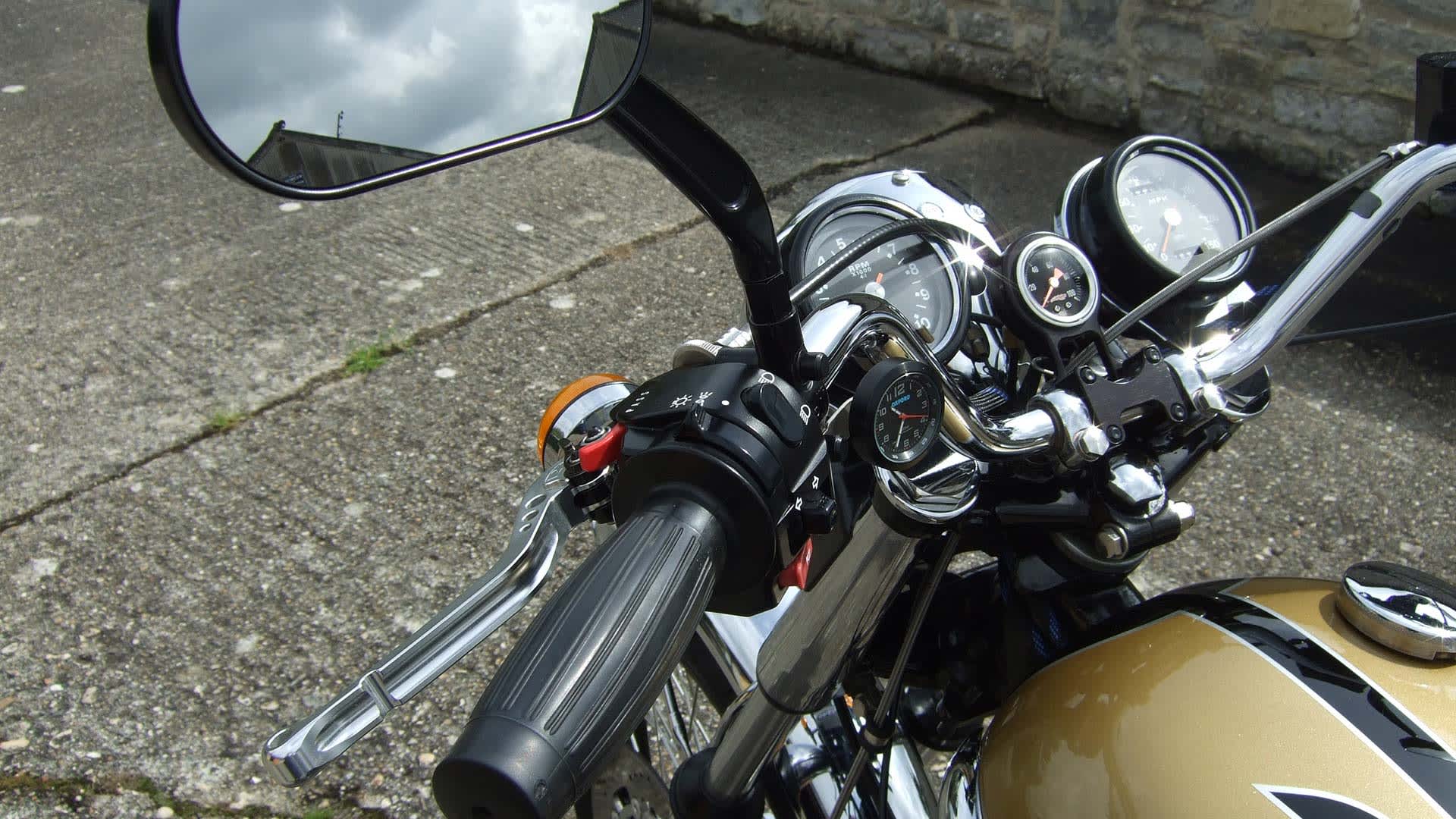
1974 Triumph Trident


The original Triumph Trident set a new standard for performance when it was first introduced in 1968, and the name was subsequently reintroduced into the Triumph line-up in 1990 at the rebirth of the brand in Hinckley.
 
Designed by Bert Hopwood and Doug Hele, the three cylinder Trident started a bloodline of triple-powered Triumphs, which continues today with the new generation Tiger 900, Tiger 1200, Speed and Street Triples, and the world-leading Rocket 3.
 
Launched in 1969 under two different brands and names from the BSA group, which owned both Triumph and BSA, the Triumph Trident and BSA Rocket 3 were very similar motorcycles, both powered by the torque-rich triple, with both brands achieving race success within Europe and the USA in the 1970s. The most famous of these motorcycles for Triumph fans was the legendary ‘slippery Sam’, which went on to win five consecutive Isle of Man production TT race wins from 1971 to 1975.
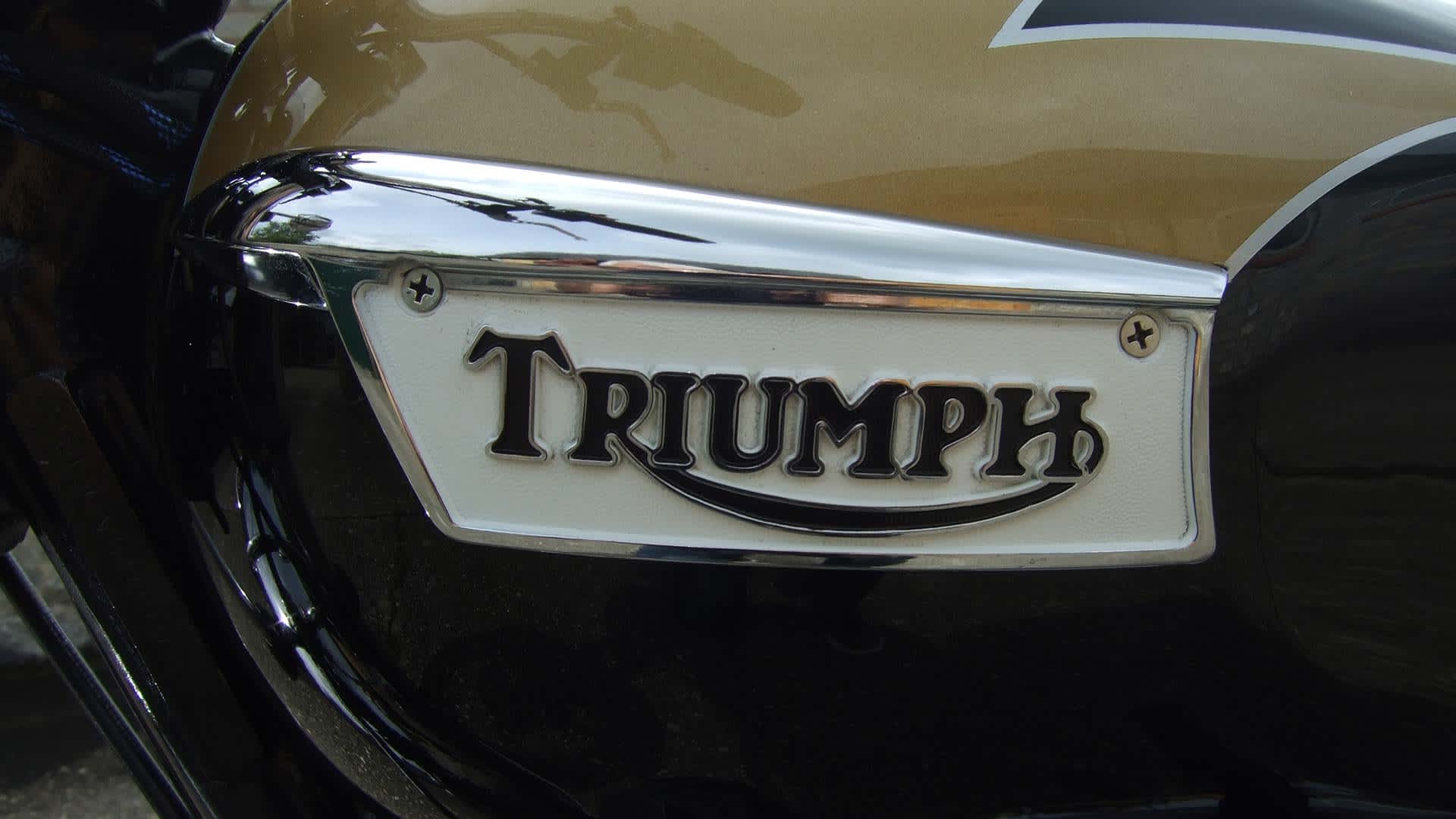


Peter Hatfield, Triumph fan and collector, who owns the stunning 1974 Triumph Trident you see below, tells us what makes this such a special motorcycle.


“With a very nice 1968 T120R Bonneville already in my garage, and no project for the winter of 2015-2016, the itch for a Trident had to be scratched – I’d had one back in the day. I cast my sights to the place where 70% of all Triumphs were exported: the US of A. I chanced upon what appeared to be a very tidy Trident, and what’s more, it was one of the last right foot change T150 models. I shot off an email to my buddy in Illinois, Dave Fahringer, and next morning awoke to an email with the words: you now own a Trident."

Peter Hatfield with 1974 Triumph Trident

“After many weeks of anticipation, the Trident finally arrived back to its place of birth. An initial light restoration with a new exhaust reinstated the bike’s aesthetics. However, it ran poorly, and the brakes didn’t brake. New Amal Concentric carburetors resolved the former problem, but the latter required more drastic action. Not being a stickler for originality, a new 12” floating disc was fitted, along with a modern Triumph master cylinder, which made the bike more suited to the cut and thrust of today’s road conditions." 

1974 Triumph Trident

“A total overhaul of the electrics with a bespoke wiring loom, modern Triumph switch cubes, and daytime running lights completed the job. Or so I thought. A rumble from the primary chain case was tracked to a worn hub and clutch, replacement of both restoring a quiet drivetrain."

1974 Triumph Trident Rewire

“With its 58 bhp the Trident was faster than its arch nemesis, the Honda CB750, and handled better to boot. It is more than capable of keeping up with traffic today, and can, indeed, surprise many a contemporary machine.

1974 Triumph Trident at Bristol Show
Prices of products on the Site are the Manufacturer’s Suggested Retail Price (“MSRP”) and are quoted in Canadian Funds. The MSRP does not include, if applicable, any title and registration fees, dealer pre-delivery and administrative charges, license fees, consumer rebates or incentives, dealer added options, destination and delivery charges, environmental charges or fees or any other additional costs. The MSRP is subject to change at any time without notice. Triumph dealers who sell the same products through their dealerships are under no obligation to sell any product or service at the suggested prices posted on this Site and may sell for less. Triumph <br/>Motorcycles is not responsible for the prices set by any dealer. All Triumph dealers are independent businesses authorized to sell Triumph products. The dealers are not affiliates of Triumph Motorcycles, Ltd. or any Triumph affiliate. An estimate of the additional fees charged by dealers in Quebec is available in the Configurator tool on the Triumph Canada French language website. For all other provinces and territories, please contact a dealer for <br/>formal price quotations on any motorcycle in their inventory.